
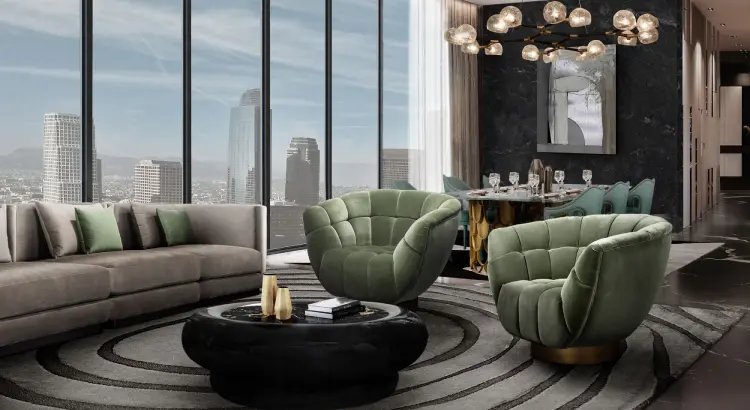
Luxury living today is no longer defined solely by size, finishes or exclusivity. Increasingly, it is shaped by where a home is located and how well that location integrates with the rhythms of urban life. Strategic urban locations, those that balance connectivity, infrastructure and liveability, are quietly redefining what modern luxury really means.
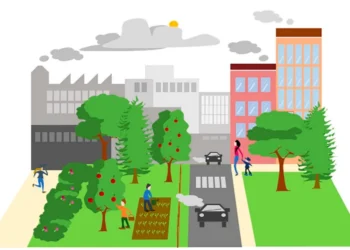
In fast-growing cities, location has evolved beyond proximity to the city centre. Homebuyers now look for neighbourhoods that offer seamless access to work hubs, cultural spaces, healthcare and everyday conveniences, without compromising on calm or privacy. This shift has made urban planning and site selection central to the idea of premium living.
Location as a Lifestyle Choice
Modern luxury homeowners are deeply aware of how their surroundings influence daily life. Long commutes, fragmented infrastructure and poorly planned neighbourhoods can erode even the most well-designed living spaces. Strategic locations, on the other hand, reduce friction , saving time, improving mobility and supporting a more balanced lifestyle.
Areas with strong transport networks, planned road connectivity and access to public infrastructure tend to attract long-term residential demand. Over time, these neighbourhoods develop social and commercial ecosystems that further enhance liveability. Luxury, in this context, becomes less about isolation and more about intelligent integration with the city.
The Role of Urban Planning in Premium Housing
Thoughtful urban planning plays a crucial role in how luxury housing evolves. Developments located within well-structured urban zones benefit from predictability in infrastructure growth, zoning stability and access to civic amenities. This predictability translates into sustained value rather than speculative spikes.
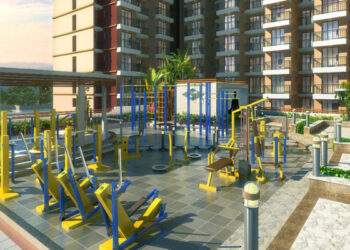
Residential projects in such locations often mature better, supported by schools, healthcare facilities, retail zones and green spaces that emerge organically over time. These surroundings contribute as much to the living experience as the home itself, reinforcing the importance of location-led development.
It’s this approach that distinguishes developers who think beyond individual projects and consider the broader urban fabric they are building within.
Connectivity Without Compromise
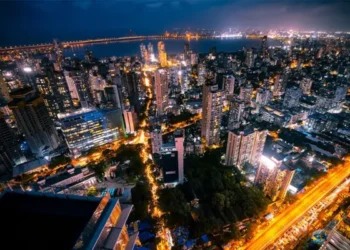
One of the defining features of modern luxury living is connectivity without chaos. Strategic locations offer easy access to business districts and key parts of the city, while still maintaining a sense of residential calm. This balance is particularly relevant in metropolitan areas where urban sprawl has made daily travel increasingly challenging.
Well-connected neighbourhoods tend to retain relevance even as cities expand. They remain attractive to end-users and investors alike because they adapt more easily to changing work patterns, including hybrid and flexible work models.
A Case for Integrated Urban Living
Projects developed within established or emerging urban corridors often reflect a more integrated approach to luxury. For instance, Parkwest 2.0 in Bengaluru has been positioned within a strategic urban context that aligns residential living with connectivity and long-term infrastructure planning. Such developments illustrate how location can enhance not just convenience, but the overall quality of life.
Rather than standing apart from the city, these residential environments engage with it thoughtfully, offering residents access without overexposure.
Why Location Still Drives Long-Term Value
While design trends may change, location remains one of the most consistent drivers of property value. Homes in strategic urban locations tend to show stronger resilience during market fluctuations and maintain better liquidity over time. This is because demand in such areas is driven by genuine usability rather than short-term speculation.
Developers who prioritise location-led planning often demonstrate a long-term commitment to value creation. Shapoorji Pallonji Real Estate, for instance, has historically approached urban development with an emphasis on planning discipline and contextual relevance rather than isolated construction.
This perspective aligns with why many consider such organisations among the best real estate company options when evaluating long-term residential value, not because of marketing claims, but because of consistency in execution.
Redefining Luxury for the Future
As cities continue to grow and densify, luxury living will increasingly be defined by how intelligently homes are placed within the urban landscape. Strategic locations that balance access, infrastructure and liveability will shape the next chapter of premium housing.
For homebuyers, this means looking beyond interiors and amenities and understanding the larger context a home belongs to. In the end, true luxury lies not just in the home itself, but in how seamlessly it fits into everyday life.