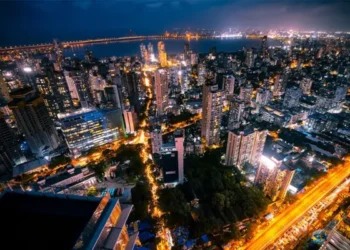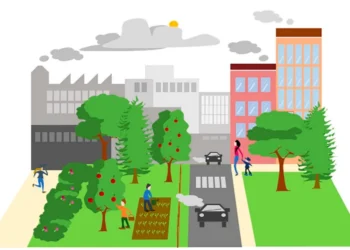

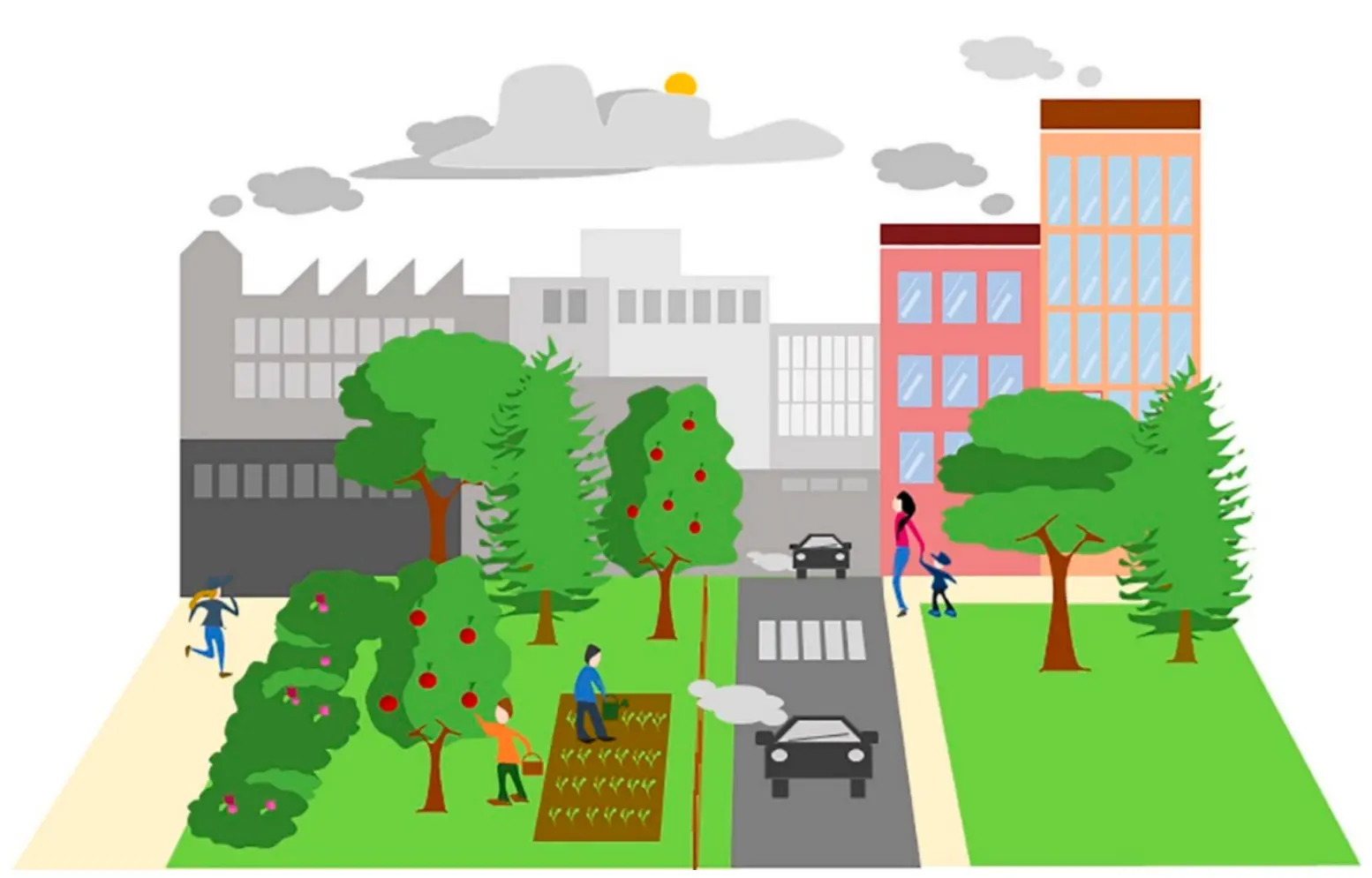
With urban growth, lifestyles have become more fast-paced. And this is where access to green spaces has emerged as a quiet yet important factor in overall well-being. Parks, gardens, tree-lined walkways, and open green spaces within residential developments are no longer considered optional amenities. They are now considered essential elements that support both human health and environmental balance in urban regions.
Green spaces offer a necessary pause from concrete-heavy surroundings. Even minimal exposure to natural environments has been linked to reduced stress levels, improved mood, and enhanced mental clarity. For urban residents, the presence of greenery within walking distance provides daily opportunities to reconnect with nature, whether through a morning walk, an evening run, or simply spending a few moments outdoors after a long day.
Supporting Physical and Mental Well-being
Accessible green spaces encourage physical activity in simple yet meaningful ways. When residents have nearby gardens, walking paths, or open lawns, they are more likely to engage in movement as part of their daily routine. This can include walking, yoga, casual play, or light exercise, all of which contribute to cardiovascular health and long-term wellness.
Beyond physical benefits, green environments play a crucial role in mental health. Natural surroundings are known to lower stress, reduce fatigue, and promote better sleep patterns. For families, green spaces provide safe environments for children to play freely, therefore improving emotional development and social interaction. For senior residents, these spaces offer calm settings for relaxation and connection, reducing feelings of isolation often associated with urban living.
Environmental Value in Urban Settings
Green spaces also perform essential environmental functions. Trees and plants help improve air quality by filtering pollutants and increasing oxygen levels, which is especially valuable in cities with high traffic and construction activity. Landscaped areas contribute to temperature regulation, reducing the urban heat effect and creating cooler atmospheres within residential zones.
Additionally, thoughtfully designed green spaces support biodiversity by providing habitats for birds. Gardens, open lawns, and planted zones help manage water flow, reducing strain on drainage systems and promoting more sustainable water use. These environmental benefits, though often neglected, play a long-term role in making cities more resilient and liveable.
Community Connection and Quality of Life
Well-planned green spaces encourage social interaction and a sense of belonging. Common gardens and open outdoor spaces naturally become gathering points where neighbours interact, children play together, and informal bonds form. This social aspect is especially important in urban developments, where residents may otherwise feel disconnected from their neighbours.
This is where the residential environments that prioritise green accessibility often see greater community engagement and a higher overall quality of life. When nature is included into everyday living, it enhances not just individual well-being but also the collective experience of the community.
Integrating Green Design into Modern Housing
Residential developments gradually recognise the importance of balancing built spaces with natural elements. In developments like Skyraa, a thoughtfully planned residential project by Shapoorji Pallonji Real Estate, green spaces are designed as integral components of the environment rather than decorative afterthoughts. Outdoor areas, open spaces, and well-designed layouts here enable residents to experience the benefits of nature comfortably within an interior setting. This reflects a broader approach adopted by understanding that modern homes now must support both lifestyle aspirations and long-term sustainability.
A Sustainable Path Forward
As the new developments continue to rise, access to green spaces will remain a defining factor in how cities develop. Residential communities that incorporate green spaces not only support healthier lifestyles for their residents but also benefit the environment. From cleaner air and cooler surroundings to stronger social connections, the impact of accessible green spaces extends far beyond just aesthetics and incorporating nature into urban living is no longer a luxury. It is a necessity. This is where the best real estate company needs to strategically plan of how thoughtfully they can integrate green spaces in their project, offering residents environments in which health, comfort, and environmental responsibility coexist.